Buffalo's harsh winters and freeze-thaw cycles create unique challenges for asphalt surfaces. Understanding common problems and their solutions can help you address issues before they become costly repairs. Here's a comprehensive guide to the most frequent asphalt problems we see in Western New York and how to fix them.
1. Alligator Cracking
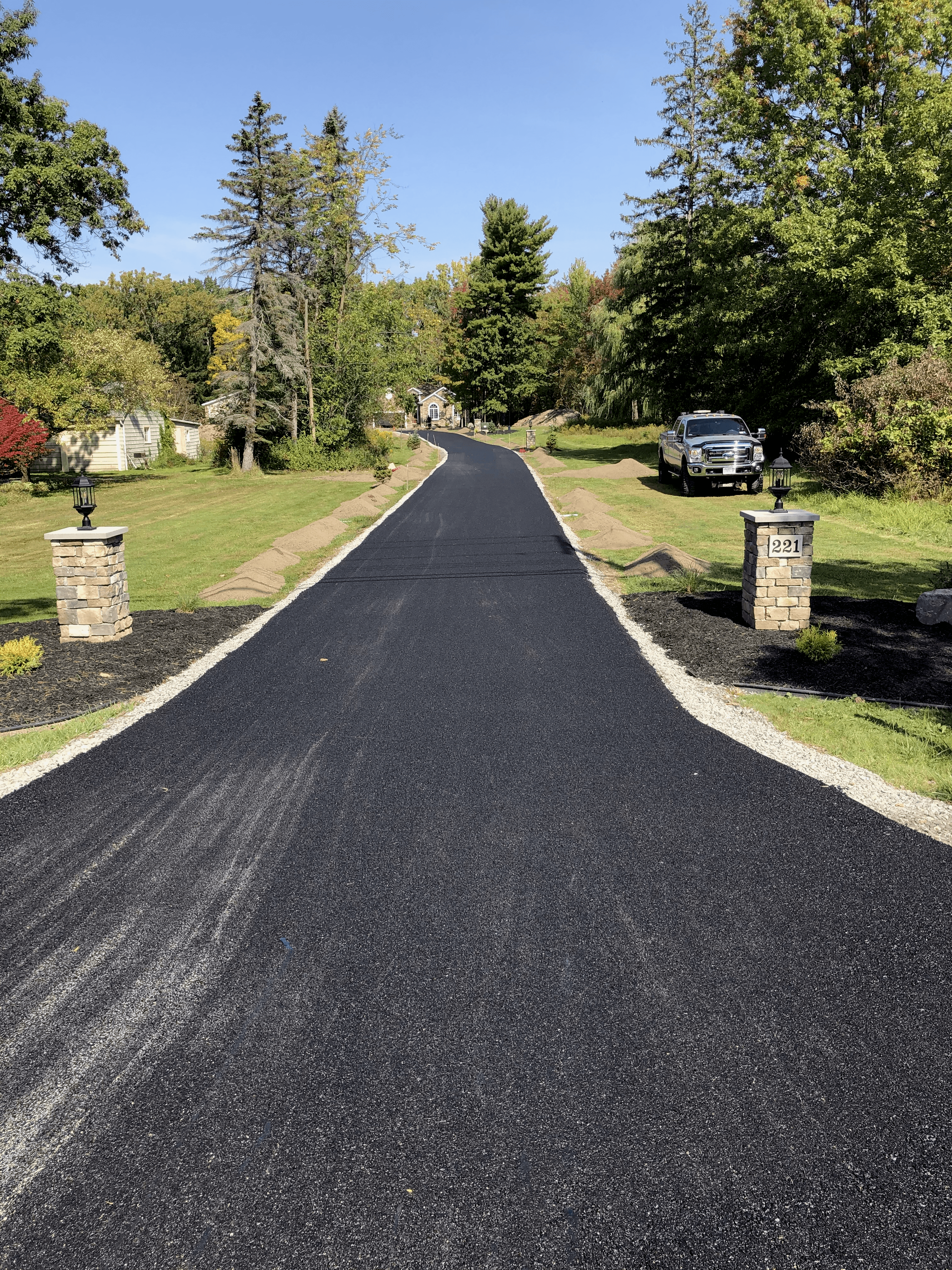
What It Looks Like
Interconnected cracks that resemble alligator skin or a spider web pattern across the asphalt surface.
Causes
- • Weak or insufficient base material
- • Excessive loads or traffic
- • Poor drainage causing base saturation
- • Age and wear of the asphalt surface
Solutions
Minor Cracking:
Crack sealing and surface patching can extend life by 2-3 years
Moderate Cracking:
Overlay with new asphalt layer (2-3 inches) after base repair
Severe Cracking:
Complete removal and replacement with proper base preparation
2. Potholes
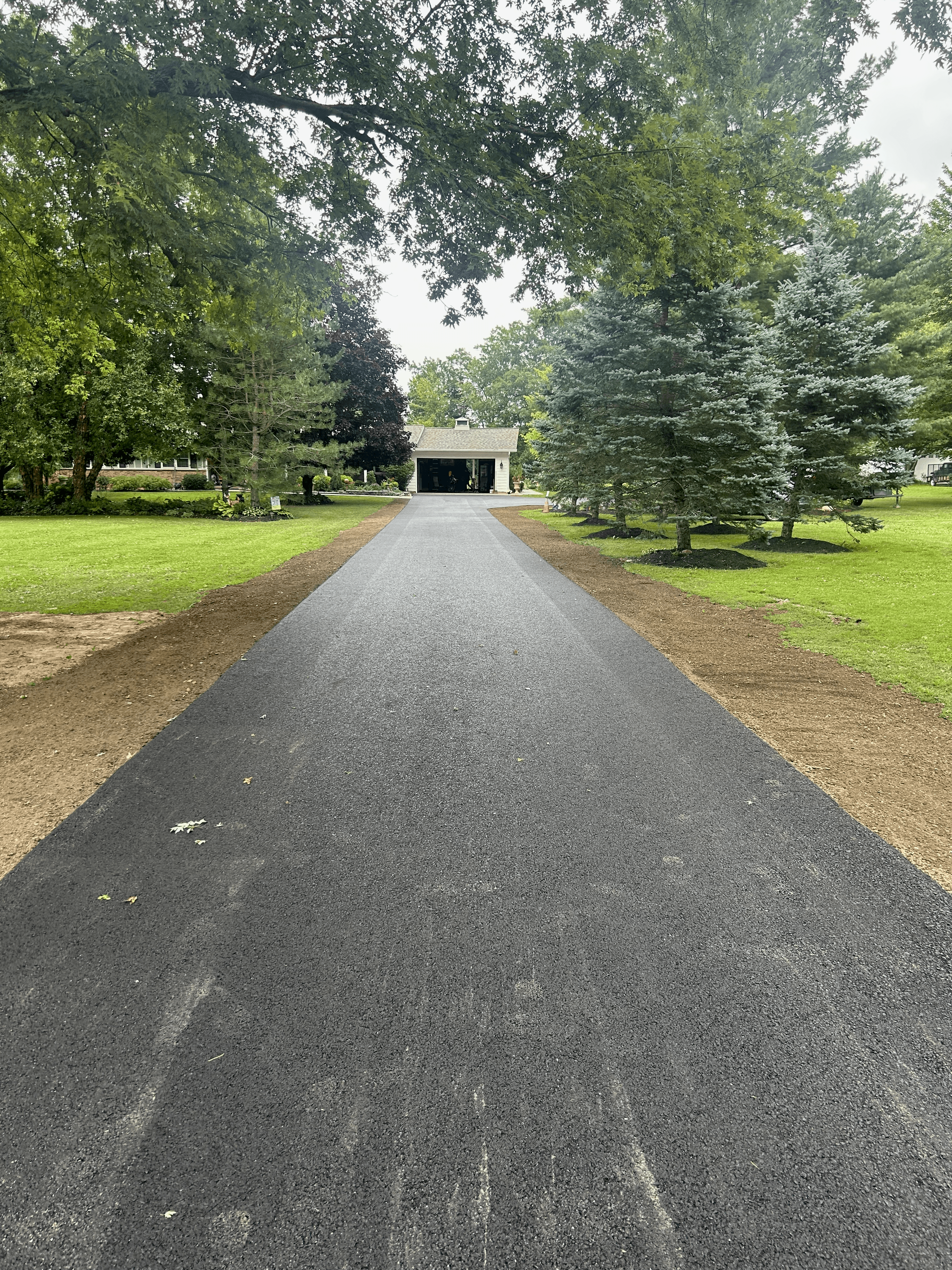
Potholes are one of the most common and dangerous asphalt problems in Buffalo. They form when water seeps into cracks, freezes, and expands, breaking apart the asphalt surface.
How Potholes Form
- Water enters through cracks or surface defects
- Water freezes and expands, pushing asphalt upward
- Thawing creates gaps beneath the surface
- Traffic breaks through the weakened area
- Pothole grows larger with each freeze-thaw cycle
Professional Repair Process
- Remove loose material and debris
- Square off edges for better adhesion
- Fill with hot-mix asphalt or cold patch
- Compact thoroughly with proper equipment
- Seal edges to prevent water re-entry
3. Edge Cracking
Edge cracking occurs along the perimeter of your driveway or parking lot, typically caused by lack of support or poor base preparation at the edges.
Prevention and Repair
Install Edge Restraints:
Concrete curbing or proper base extension prevents edge failure
Proper Base Width:
Base should extend 6-12 inches beyond the asphalt edge
Repair Method:
Remove damaged edge, rebuild base, and install new asphalt with proper compaction
4. Raveling and Surface Deterioration
Raveling occurs when the aggregate (stones) in the asphalt mix begins to separate from the binder, creating a rough, loose surface texture.
Common Causes
- • Poor quality asphalt mix
- • Inadequate compaction during installation
- • Age and UV oxidation
- • Lack of sealcoating protection
- • Heavy traffic wear
Solutions
Early-stage raveling can be addressed with sealcoating, which fills surface voids and protects the binder. More advanced raveling requires surface treatment or overlay. Complete raveling indicates the need for replacement.
5. Drainage Problems
Poor drainage is a major contributor to asphalt failure in Buffalo. Standing water accelerates deterioration and creates freeze-thaw damage.
Signs of Drainage Issues
- • Standing water after rain
- • Water pooling in specific areas
- • Accelerated deterioration in low spots
- • Cracking patterns following water flow
Solutions
- Regrade surface to proper slope (minimum 2% grade)
- Install or repair drainage systems
- French drains or catch basins for problem areas
- Overlay with proper slope correction
When to Call a Professional
While some minor repairs can be DIY projects, professional assessment is recommended for:
- • Cracks wider than 1/2 inch
- • Multiple potholes or large potholes
- • Extensive alligator cracking
- • Base failure or sinking areas
- • Drainage problems
- • More than 25% of surface showing damage
Prevention is Key
The best solution to asphalt problems is prevention. Regular maintenance, proper installation, and addressing issues early can save thousands of dollars. In Buffalo's climate, proactive care is essential for protecting your asphalt investment.
Need Professional Asphalt Repair?
Capozzi Paving has been solving asphalt problems in Buffalo for over 35 years. Get a free inspection and repair estimate.
Call (716) 681-3600